What certified end of tenancy cleaners do to protect deposits 2026
Moving out is stressful enough without worrying about a deposit deduction notice landing in your inbox. That's usually where the value of What certified end of tenancy cleaners do to protect deposits 2026 becomes very clear: they clean with the final inspection in mind, not just the surface shine you notice on the day. They focus on the places landlords, letting agents, and inventory clerks actually check, and they do it in a way that helps reduce avoidable disputes. In plain English, certified cleaners are there to make the property look, smell, and feel ready for handover.
Truth be told, a lot of deposit problems come from small details: burnt-on oven trays, dusty extractor fans, limescale in the bathroom, or a carpet that looks "fine" until daylight hits it properly. This article breaks down how certified end of tenancy cleaners protect deposits in 2026, what they clean, what they document, and what you should expect if you want a smoother move-out.
Table of Contents
- Why What certified end of tenancy cleaners do to protect deposits 2026 Matters
- How What certified end of tenancy cleaners do to protect deposits 2026 Works
- Key Benefits and Practical Advantages
- Who This Is For and When It Makes Sense
- Step-by-Step Guidance
- Expert Tips for Better Results
- Common Mistakes to Avoid
- Tools, Resources and Recommendations
- Law, Compliance, Standards, or Best Practice
- Options, Methods, or Comparison Table
- Case Study or Real-World Example
- Practical Checklist
- Conclusion
- Frequently Asked Questions
Why What certified end of tenancy cleaners do to protect deposits 2026 Matters
Deposit protection is really about expectations. Most disputes are not caused by one dramatic issue; they're caused by lots of small signs that the property was left below the expected standard. A certified end of tenancy clean helps bridge that gap. The cleaner's job is to make sure the property is handed back in a condition that aligns with reasonable inspection standards, while also reducing the risk of a landlord or agent pointing to grime, residue, odours, or missed spots as a reason to keep money back.
In 2026, that matters even more because tenants are often working to tighter schedules, with moving vans outside, final meter readings to take, and keys to return before lunch. Nobody has the energy to spend six hours inside an empty flat scrubbing behind radiators. That's where a structured, certified approach helps. It brings consistency. It also gives tenants a better chance of showing they took the clean seriously rather than giving it a half-hearted once-over on a Sunday evening.
There is another angle too: confidence. If you hand back a property that has been cleaned properly, documented properly, and checked properly, you can respond calmly if any deposit issue comes up later. That peace of mind is not small. Let's face it, moving is messy enough without playing detective after the fact.
Expert takeaway: certified end of tenancy cleaners protect deposits by cleaning to an inspection-ready standard, targeting high-risk areas, and reducing the chance of avoidable deductions.
How What certified end of tenancy cleaners do to protect deposits 2026 Works
The process usually starts with a walkthrough or at least a brief inventory of the property's condition. A good cleaner wants to know where the deposit risk sits: ovens, bathrooms, skirting boards, limescale, carpets, windows, cupboards, and the areas that tenants often forget because they are out of sight. Then the work is broken down room by room, with attention given to the details that matter most during check-out.
Certified cleaners also work methodically. They do not just wipe obvious surfaces and leave. They remove built-up grease, descale taps and shower screens, scrub kitchen appliances, clean inside cupboards, dust fixtures, and make sure floors, edges, and corners are finished properly. If the property has been lived in for a while, that deeper level is what tends to shift the final impression from "used" to "well cared for."
Some services include specialist tasks such as oven cleaning and carpet cleaning, because these are frequent deposit flashpoints. A greasy hob or stained carpet can trigger a deduction surprisingly quickly, even when the rest of the flat looks decent. A complete end of tenancy clean brings those risk areas under control before the inspection.
What the cleaner is really looking for
- Signs of grime that an inventory clerk is likely to notice fast
- Odours from bins, drains, pets, cooking, or damp patches
- Residue on surfaces, glass, appliances, and fittings
- Marks on walls, switches, handles, and edges
- Carpet or upholstery issues that need specialist attention
It sounds simple, but the difference is in the order of operations. A certified cleaner usually starts high and works down: light fittings, tops of cupboards, splash zones, kitchen surfaces, then floors last. That avoids re-contaminating cleaned areas. Small thing, big difference.
Key Benefits and Practical Advantages
The main benefit is obvious: a better chance of getting the full deposit back. But the practical advantages go beyond that.
- Stronger handover standard: the property presents as professionally cleaned rather than "tidied."
- Less back-and-forth: fewer arguments over whether the clean was acceptable.
- Better time management: tenants can focus on moving, paperwork, and key return.
- More thorough detail work: hard-to-reach areas, corners, and appliances get proper attention.
- More trustworthy finish: a certified process usually means the work is carried out to a known standard, not guesswork.
There's also a very practical commercial advantage if you are a landlord, agent, or someone moving between tenancies quickly. A reliable end of tenancy clean helps reduce void period friction and keeps the property ready for the next occupant without last-minute panic. If you want to compare cleaning options more broadly, a page like deep cleaning helps explain the difference between a general refresh and a more intensive detail clean.
For tenants, the benefit is emotional as much as financial. You move out knowing the place was left properly. That matters, and not just on paper.
Who This Is For and When It Makes Sense
This service makes sense for tenants at the end of a tenancy, obviously, but also for anyone handing back a property after a fixed-term let, shared house, student rental, or long occupancy where everyday cleaning has not been enough. If there are pets, children, heavy cooking, or a lot of foot traffic, the need becomes more obvious very quickly.
It is also useful when the property is being handed over in poor lighting or under time pressure. Winter move-outs can be awkward; by late afternoon the rooms already look dull, and hidden dust suddenly seems twice as visible. A thorough clean done before that final stage gives you better odds of a clean inspection.
For some homes, specialist add-ons matter more than others. For example, you may need window cleaning if the glass is marked or a lot of light comes in, because windows can make a property feel cleaner even when the rest of the work is good. If the property has hard surfaces that show streaks or scuffs, hard floor cleaning can also make a real difference to the overall impression.
Step-by-Step Guidance
If you want the best chance of protecting your deposit, the process should be deliberate, not rushed. Here's a practical step-by-step approach.
- Check the tenancy agreement and inventory notes. Look for cleaning clauses, appliance expectations, and any specific condition notes from move-in.
- Walk through the property room by room. Identify the worst areas first: oven, bathroom, kitchen grease, limescale, carpet stains, skirting boards.
- Book the right service level. A standard domestic tidy-up may not be enough. If the place needs a proper reset, choose end of tenancy cleaning rather than a basic house clean.
- Prepare the space. Remove all personal items, empty cupboards, defrost the freezer if needed, and allow access to sinks, ovens, and windows.
- Carry out the clean systematically. Certified cleaners will usually work from top to bottom, room by room, with special attention to high-risk inspection points.
- Check specialist areas. Ovens, carpets, upholstery, and bathrooms often need more than a surface wipe. Don't skip them.
- Do a final visual pass. Stand back and look at the property as an agent would. Is it dusty? Smudged? Are there lingering smells?
- Keep evidence where possible. Photos of the cleaned property can be useful if questions arise later. Not glamorous, but sensible.
If you've ever looked around an empty kitchen just before handover and thought, "blimey, that still looks busy," you'll know why this order matters. The job is to remove the little things that make a room feel unfinished.
Expert Tips for Better Results
Most deposit problems can be softened by a few intelligent choices. Here are the ones that matter most in real life.
- Book cleaning after the property is empty. Cleaning around boxes is inefficient and leaves corner dust behind.
- Prioritise the oven and bathroom. These are the two areas that can make the quickest negative impression.
- Don't forget touchpoints. Light switches, handles, door frames, and cupboard edges often carry the "lived in" look.
- Match the clean to the property type. A student flat, family home, and furnished rental do not behave the same way. Needs vary.
- Ask what is included. Certified cleaning should be clear about scope, exclusions, and any specialist add-ons.
- Choose a company that understands deposits. Not all cleaning is equal. A good cleaner knows what final inspections tend to focus on.
If carpets are part of the equation, it is worth considering whether your tenancy needs a more specialist carpets cleaner approach rather than a general vacuum and spot attempt. That can be the difference between "acceptable" and "noted for attention."
A small human tip, if I may: open the curtains and let daylight in before the inspection. It reveals what needs one more pass. Slightly annoying, yes. Very useful, also yes.
Common Mistakes to Avoid
There are a few recurring mistakes that cause deposit deductions more often than people expect. Most are avoidable if you know what to look for.
- Leaving cleaning to the moving day. By then, you're tired, keys are due, and standards slip.
- Assuming "visibly clean" is enough. Inventory checks often notice grease, dust, and buildup that casual glances miss.
- Ignoring appliances. Ovens, fridges, and extractor fans are frequent trouble spots.
- Skipping hidden areas. Behind radiators, inside cupboards, under beds, and along skirting boards are easy to forget.
- Using the wrong products. Harsh chemicals can damage surfaces, and damage deductions are a different problem altogether.
- Not checking the result in daylight. Artificial light hides streaks. That's just how it goes.
One common myth is that a quick freshen-up will always do. Sometimes it does. Often it doesn't. If a property has been occupied for months or years, the build-up is layered, and a superficial tidy can leave the important detail work untouched.
Tools, Resources and Recommendations
Certified cleaners typically rely on a mix of trained technique and the right equipment. The exact toolkit varies, but the principle is consistent: use tools that remove contamination properly rather than spreading it around.
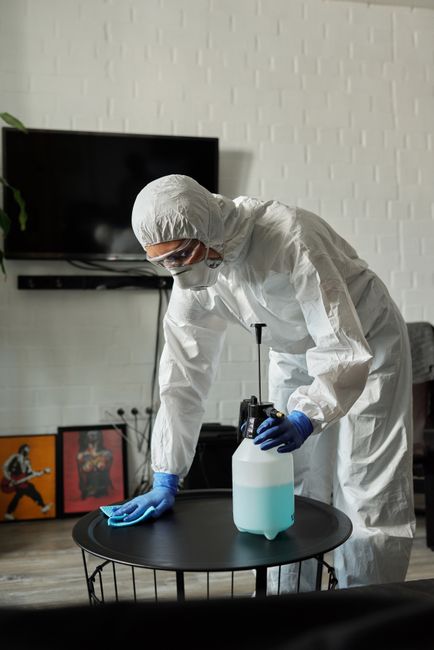
- Microfibre cloths for dust and surface residue
- Scrubbing tools for baked-on grime and bathroom buildup
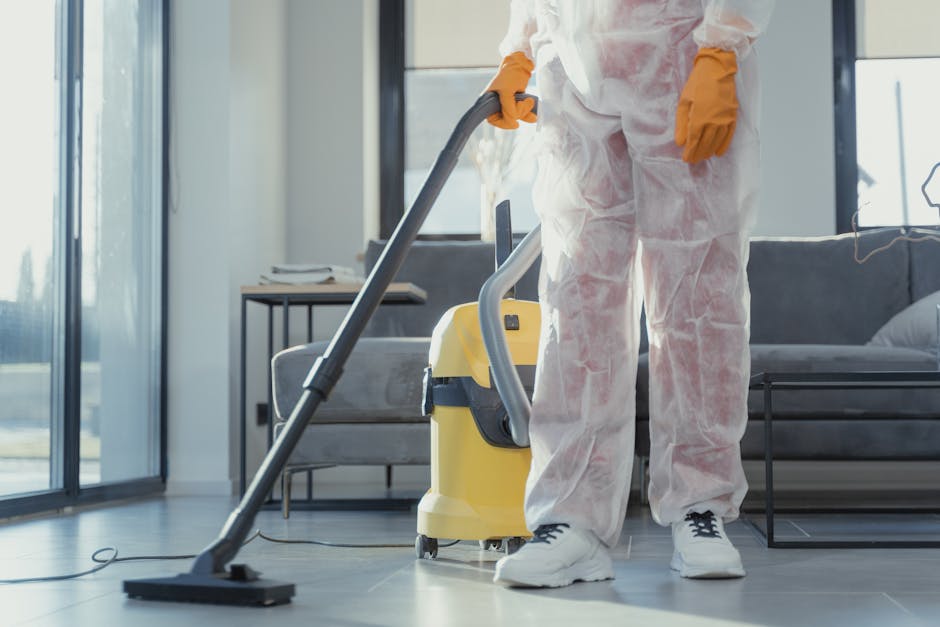
- Vacuuming systems for dust, edges, and carpets
- Steam or hot-water extraction for suitable fabric and carpet tasks
- Specialist degreasers for kitchens
- Descaling products for taps, shower screens, and tiles
- Window tools for streak-free glass and frames
From a service perspective, it helps to choose a company that can cover multiple cleaning needs in one visit. If the property also needs floor-level detailing, upholstery care, or a last-minute freshen-up, services like sofa cleaning and upholstery cleaning can support the main end of tenancy clean. For properties with a lot of built-in cooking residue, oven cleaner expertise is often worth asking about directly.
If you want to understand how a provider frames its service standards, practical policies such as health and safety guidance, insurance and safety information, and terms and conditions are worth reviewing. Not exciting reading, granted, but useful.
Law, Compliance, Standards, or Best Practice
It is sensible to approach deposit protection as a best-practice issue as much as a cleaning issue. In the UK, tenancy deposit disputes usually turn on evidence, reasonable expectation, and the condition recorded at the start and end of the tenancy. That means cleaning quality, supporting photos, and a clear understanding of what "reasonable wear and tear" means in practice all matter.
Certified cleaners are not legal decision-makers, and they should not be treated as such. What they can do is help tenants present a property in a condition that reduces the room for disagreement. They can also help landlords and agents maintain a more consistent handover standard between tenancies. That consistency is powerful. It removes a lot of noise.
Best practice in 2026 also includes transparency. A reputable provider should explain what is included, what counts as a specialist extra, how access is arranged, how damage or pre-existing issues are handled, and what happens if something is missed. It should be easy to understand before work starts, not afterwards.
If you are looking at a provider's wider standards, pages like about the company, recycling and sustainability, and payment and security can tell you a lot about how seriously they take professionalism. It's not just about scrubbing. It's about trust.
Options, Methods, or Comparison Table
Not every move-out situation needs the same approach. Here's a simple comparison of common methods so you can judge what is realistic for your property.
| Method | Best for | Deposit protection strength | Typical limitation |
|---|---|---|---|
| Light DIY clean | Very tidy homes with minimal use | Low to moderate | Often misses hidden grime and appliance buildup |
| Standard domestic cleaning | Regular upkeep between normal occupancies | Moderate | May not cover end of tenancy detail work |
| Certified end of tenancy clean | Final handover and deposit-sensitive moves | High | Usually needs property to be empty and accessible |
| End of tenancy clean plus specialist add-ons | Homes with carpets, upholstery, ovens, or heavy use | Very high | Costs more, but usually gives the most complete finish |
If the property has been recently refurbished, or if builders have left fine dust behind, an after builders cleaning approach may be the better fit before final handover. That's a different beast entirely, and trying to solve it with a quick wipe can be a bit optimistic.
For smaller refreshes between tenancies, one-off cleaning can be useful, but it is not always equivalent to a full deposit-protection clean. Similar wording, different job. Easy to mix up if you're in a rush.
Case Study or Real-World Example
Imagine a two-bedroom flat in London after a two-year tenancy. The tenant has packed everything, but the kitchen has stubborn grease around the extractor, the bathroom has limescale around the taps, and the lounge carpet shows traffic marks near the sofa. At a glance, the flat looks "pretty decent." Under inspection lighting, though, it tells a different story.
A certified end of tenancy cleaner would usually start with the kitchen, especially the hob, extractor, cupboards, and oven. Then they would move to the bathroom, removing limescale and soap residue. The carpets would be vacuumed, treated where needed, and assessed for deeper cleaning. Windows and frames would be finished to remove the dusty film that often appears when the sun comes through in the morning.
The result is not magic. It is simply thorough. That is the point. The property stops looking like somewhere someone has just lived and starts looking like somewhere that is ready to be re-let. Small shift, big impact. In a real move-out, that can be the difference between a smooth deposit return and a frustrating email thread that lasts for days.
Practical Checklist
Use this checklist before handover. It keeps the process practical and helps avoid last-minute panic.
- Property is fully empty
- All personal items removed from cupboards, drawers, and storage areas
- Oven, hob, extractor, and splashback cleaned properly
- Bathroom descaled, disinfected, and dried down
- Carpets vacuumed and treated where needed
- Hard floors cleaned and streak-free
- Windows, sills, and frames checked
- Skirting boards, switches, handles, and doors wiped
- Bins emptied and cleaned
- Fridge, freezer, and other appliances cleaned inside and out
- Any agreed specialist services completed
- Final inspection photos taken in good light
- Keys ready to return on time
If there are pets or heavy fabric use, you may also want to factor in rug cleaning, since fibres can trap odours and marks even when the surface looks fine. It's one of those details people underestimate until the room has that faint "something's there" smell.
Conclusion
So, what do certified end of tenancy cleaners do to protect deposits in 2026? They clean more strategically, more thoroughly, and with the final inspection in mind. They focus on the areas most likely to trigger deductions, they use the right methods for each surface, and they help create a clear, inspection-ready finish that supports a smoother handover. That is the real value.
For tenants, this means less stress and a better chance of getting money back. For landlords and agents, it means more consistent turnover and fewer awkward disputes. And for everyone involved, it simply makes the move-out process feel a bit less chaotic, which honestly is worth a lot.
When you are ready to plan the clean properly, start with the spaces that matter most and work from there. A steady, thorough approach always beats a rushed one. Always.
Get a free quote today and see how much you can save.
Frequently Asked Questions
What does a certified end of tenancy cleaner actually do?
They carry out a deep, handover-focused clean of the property, targeting areas that are commonly checked during inventory and check-out inspections. That usually includes kitchens, bathrooms, appliances, floors, windows, and hidden dust or grime.
How do end of tenancy cleaners help protect a deposit?
They reduce the risk of deductions by removing the kinds of dirt, residue, odours, and wear-related marks that often get flagged during a final inspection. A cleaner property gives the landlord or agent less to challenge.
Is a standard domestic clean enough before moving out?
Sometimes, but often not. A standard domestic clean is usually designed for ongoing upkeep, while end of tenancy cleaning is more detailed and aimed at final handover conditions. The difference matters more than people think.
Do I need specialist carpet cleaning for deposit protection?
If the carpets have stains, heavy foot traffic, pet odours, or visible dullness, specialist carpet work is often worth it. A vacuum alone rarely handles everything that an inspection might pick up.
Should the property be empty before cleaning?
Yes, ideally. Empty rooms allow cleaners to reach edges, skirting boards, under furniture areas, and inside cupboards properly. It also makes the overall process faster and more effective.
What areas are most likely to cause deposit deductions?
Ovens, bathrooms, kitchen grease, limescale, carpets, windows, and any visible damage are common trouble spots. These are the areas inventory clerks tend to notice first, for obvious reasons.
How far in advance should I book the clean?
As early as you can once your moving date is fixed. That gives you more flexibility and reduces the risk of leaving the clean until the most hectic part of the move.
Can a cleaner guarantee my deposit will be returned?
No honest cleaner should promise that. Deposit decisions also depend on wear and tear, damage, missing items, and tenancy terms. What a certified cleaner can do is improve your position significantly.
What should I ask before booking end of tenancy cleaning?
Ask what is included, whether specialist tasks are covered, how access is handled, what happens if an area is missed, and whether they provide clear service terms. Clear answers matter here.
Are certified cleaners useful for landlords too?
Yes. Landlords benefit from more consistent turnover standards, better presentation for new tenants, and fewer avoidable disputes over cleanliness at the end of a tenancy.
What if the property has builders' dust or renovation residue?
That may need a different approach, such as after builders cleaning, because fine dust can settle in awkward places and behave differently from normal domestic dirt. It is a fiddly job, to be fair.
Do windows and hard floors really matter for deposit returns?
They can. Clean windows brighten the whole property, and well-finished hard floors affect the overall impression immediately. If those areas look neglected, the room can feel unfinished even if everything else is good.
Speak with the team to discuss your move-out clean and check what's included for your property.