House Cleaning in Endoftenanty: A Smart Way to Protect Your Deposit and Move Out Stress-Free
House cleaning in endoftenanty is one of the most important tasks tenants face before handing back the keys. Whether you are leaving a small apartment, a family home, or a rental property with special clauses, the final clean can make a major difference to your moving experience. A properly executed end-of-tenancy clean helps ensure the property is left in excellent condition, reduces the risk of deductions from your deposit, and creates a smoother handover for everyone involved.
Many tenants underestimate how detailed house cleaning in endoftenanty must be. It is not the same as a quick tidy-up or routine weekly cleaning. Instead, it involves deep cleaning every room, paying close attention to neglected areas, and restoring the home as closely as possible to the condition it was in at the start of the tenancy, allowing for fair wear and tear. That means tackling ovens, skirting boards, bathrooms, limescale, carpets, windows, cupboards, and often even hidden spaces behind appliances.
In this article, we will explore what makes house cleaning in endoftenanty different, why it matters, how to do it properly, and what areas deserve the most attention. If you are preparing to move, this detailed breakdown will help you stay organized, avoid last-minute stress, and increase your chances of a successful final inspection.
Why House Cleaning in Endoftenanty Matters

When tenants move out, landlords and letting agents typically expect the property to be returned in a clean and presentable condition. House cleaning in endoftenanty is often a key requirement in tenancy agreements, and failing to meet the expected standard can lead to disputes, cleaning charges, or partial deposit deductions. For renters, that can be frustrating, especially after already managing packing, moving costs, and utility changes.
A good end-of-tenancy clean does more than satisfy a contract. It also helps create a positive final impression. A spotless home shows care and responsibility, which can make the handover process easier and less confrontational. In many cases, thorough house cleaning in endoftenanty can prevent arguments about property condition, saving time and emotional energy for everyone involved.
There is also a practical side. Deep cleaning often reveals issues that may otherwise go unnoticed, such as stains, grease build-up, mold spots, or damaged fittings. Addressing these early allows you to decide whether they require cleaning, repair, or professional attention. Being proactive is almost always cheaper than reacting after the inspection.
What Makes End-of-Tenancy Cleaning Different?
Regular home cleaning focuses on maintaining day-to-day hygiene and comfort. House cleaning in endoftenanty, by contrast, aims to restore the property to a high standard that meets rental expectations. It is more detailed, more intensive, and more time-consuming. Instead of cleaning only visible areas, you must focus on edges, corners, fixtures, fittings, and surfaces that are often ignored during weekly chores.
This level of cleaning usually requires a room-by-room approach and the use of specialized products. For example, grease removers may be needed in kitchens, descaling agents in bathrooms, and upholstery or carpet treatments in living areas. The goal is not just to make the space look clean, but to remove dirt, dust, stains, and odors that can signal poor maintenance.
Another important difference is that house cleaning in endoftenanty is usually checked against a move-in inventory or inspection report. If the property was documented as spotless at the beginning of the tenancy, the final clean is expected to match that condition as closely as possible. That means even small details matter, such as inside cupboards, light switches, door frames, extractor fans, and window tracks.
Essential Areas to Focus On During House Cleaning in Endoftenanty
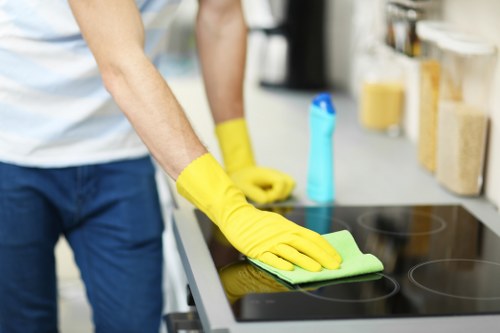
To achieve a strong result, it helps to divide the property into key cleaning zones. This makes house cleaning in endoftenanty more manageable and ensures nothing important is missed. Below are the main areas that usually require extra attention.
Kitchen
The kitchen is often the most demanding room in the house. Grease, food residue, crumbs, and limescale can build up quickly. House cleaning in endoftenanty should always begin with the kitchen because it requires the most effort.
- Clean the oven, hob, grill, and extractor hood
- Degrease cabinets, splashbacks, and tiles
- Empty and wipe inside cupboards and drawers
- Clean sinks, taps, and drains
- Defrost and clean the refrigerator and freezer if included
- Sanitize countertops and appliance surfaces
Bathroom
Bathrooms demand deep cleaning due to soap scum, limescale, dampness, and bacteria. House cleaning in endoftenanty for bathrooms should include toilets, sinks, baths, showers, mirrors, and grout. Pay close attention to tiles, shower screens, taps, and any ventilation units.
Living Room and Bedrooms
These spaces may appear simple, but they still need detailed attention. Dust skirting boards, wipe shelves, clean light fixtures, remove cobwebs, and vacuum floors and upholstery. If carpets are present, consider steam cleaning or stain treatment. Curtains, blinds, and wardrobes may also need careful dusting.
Room-by-Room House Cleaning in Endoftenanty
Following a room-by-room method is one of the most effective ways to keep the cleaning process organized. It reduces the chance of skipping details and helps you track progress efficiently. House cleaning in endoftenanty becomes much easier when each area has its own checklist.
Start with the rooms that need the most work, often the kitchen and bathroom, then move to bedrooms, hallways, and living areas. This order keeps you motivated and allows you to handle the hardest tasks while your energy is highest. It also prevents cleaned areas from being dirtied again as you move around the property.
Here is a practical sequence to follow:
- Remove all personal belongings and rubbish
- Dust high surfaces, vents, and corners
- Clean walls, doors, and switches
- Deep clean appliances and fixtures
- Vacuum, mop, or polish floors last
Kitchen Deep Clean Checklist
The kitchen deserves special focus because landlords and agents often inspect it carefully. During house cleaning in endoftenanty, it is wise to pull out appliances where possible and clean behind and underneath them. Remove grease from cooker hoods, wipe the inside of the microwave, and clean sink plugs and traps. A sparkling kitchen can greatly improve the overall appearance of the property.
How to Prepare for House Cleaning in Endoftenanty
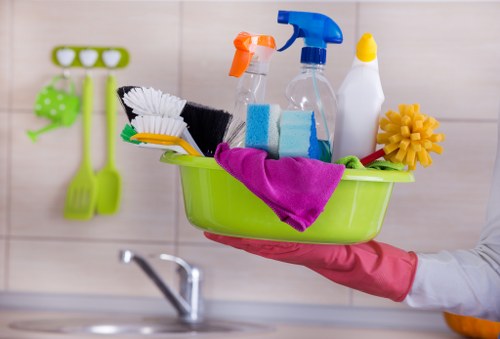
Preparation is just as important as the cleaning itself. Before you begin house cleaning in endoftenanty, gather the right equipment and cleaning products. Having everything ready will save time and reduce interruptions. Typical supplies include microfiber cloths, sponges, rubber gloves, disinfectant, glass cleaner, limescale remover, degreaser, mop, bucket, vacuum cleaner, and carpet stain remover.
It is also helpful to read the tenancy agreement and inspection inventory before starting. These documents may outline specific cleaning expectations, such as professional carpet cleaning or oven cleaning. Understanding these requirements in advance can help you avoid unnecessary re-cleaning later. Small details in the contract can make a big difference during the final inspection.
Before deep cleaning, remove all furniture, waste, and loose items. Open windows to improve ventilation, especially when using stronger cleaning products. If possible, take photos before you begin so you can document the original condition and compare it after the work is complete. This can be useful if any questions arise during inspection.
Helpful Preparation Tips
- Declutter each room before scrubbing surfaces
- Check for repairs that should be reported separately
- Buy or borrow specialized cleaning tools if needed
- Set aside enough time to avoid rushing
- Work from top to bottom to prevent dust from falling onto cleaned areas
Common Mistakes to Avoid During End-of-Tenancy Cleaning
Even with good intentions, many tenants make mistakes that reduce the effectiveness of house cleaning in endoftenanty. One of the most common errors is focusing only on visible surfaces. While the room may look clean at first glance, inspections often reveal dust behind radiators, grime on skirting boards, or residue inside cabinets.
Another common issue is using the wrong products on delicate surfaces. Harsh chemicals can damage wood, stainless steel, or stone finishes, leaving marks that may be more problematic than the original dirt. Always test cleaners on a small area if you are unsure. Using the right product for the right surface is essential for safe and effective cleaning.
Some tenants also underestimate the time required. House cleaning in endoftenanty can take several hours or even a full day depending on the size and condition of the property. Leaving it until the last minute often leads to rushed work and missed details. Planning ahead is the best way to avoid stress and achieve a better result.
Other mistakes include:
- Forgetting to clean inside appliances
- Ignoring light fittings and switches
- Neglecting bathroom limescale
- Skipping windows, frames, and sills
- Leaving dust on top of cupboards and doors
Professional House Cleaning in Endoftenanty vs DIY
Tenants often debate whether to clean the property themselves or hire professionals. Both approaches have advantages, and the right choice depends on your budget, time, and confidence level. DIY house cleaning in endoftenanty can be cost-effective, especially if the property is already in decent condition and you have the necessary equipment.
However, professional cleaners bring experience, efficiency, and specialized tools. They know where deposits are most likely to be at risk and understand the level of cleanliness usually expected in rental properties. Professional services can be especially helpful for large homes, properties with stubborn stains, or situations where time is limited.
Here are some factors to consider when choosing between the two:
- Budget: DIY may save money upfront
- Time: Professionals can complete the job faster
- Skill: Specialist cleaners may achieve a deeper finish
- Stress level: Outsourcing can reduce pressure during moving week
In many cases, a hybrid approach works best. You can handle general cleaning yourself and bring in professionals for challenging tasks such as carpet cleaning, oven restoration, or heavy limescale removal. This balanced strategy can offer both savings and high standards.
Best Practices for a Successful Final Inspection
A successful final inspection often depends on how well you have approached house cleaning in endoftenanty. Once the cleaning is complete, walk through the property as if you were the landlord or agent. Look for smudges, dust, stains, odors, and unfinished tasks. Check mirrors, shelves, under sinks, and around appliances.
It is wise to clean in natural daylight whenever possible, because artificial lighting can hide dust and streaks. If you are using your own cleaning tools, make sure they are in good condition. A dirty mop or worn-out cloth can spread grime rather than remove it. Clean tools produce cleaner results.
Before the inspection, open blinds, switch on lights, and make the home feel fresh and airy. Empty all bins, remove any leftover items, and make sure the property smells neutral rather than strongly perfumed. A fresh, clean scent is better than an overpowering chemical fragrance, which can sometimes create suspicion rather than reassurance.
Final Walkthrough Checklist
- Check every room from top to bottom
- Inspect behind doors and furniture
- Confirm all rubbish has been removed
- Make sure floors are clean and dry
- Ensure appliances and fixtures are spotless
How House Cleaning in Endoftenanty Can Save You Money

One of the strongest reasons to invest time and effort in house cleaning in endoftenanty is financial protection. Most rental deposits are held partly or fully against the condition of the property. If the place is left dirty, the cost of professional cleaning may be deducted from your deposit, sometimes at a higher rate than if you arranged cleaning yourself.
By completing the work properly, you reduce the chance of deductions and improve the likelihood of receiving your full deposit back. Even if you choose to hire cleaners, this can still be a smart investment compared to paying a landlord-arranged cleaning fee after inspection. In many cases, a well-executed clean is far more affordable than correcting problems later.
There is also value in avoiding delays. A property that passes inspection quickly means fewer administrative headaches and less back-and-forth communication. That can be especially important if you are moving into another home, balancing work commitments, or managing a tight relocation schedule. Good preparation now can save both money and time later.
Long-Term Benefits
- Reduced risk of deposit deductions
- Fewer disputes after moving out
- Better references from landlords or agents
- Smoother handover of the property
- Less stress during an already busy transition
Practical Tips for Faster and Better Results
If you want house cleaning in endoftenanty to go smoothly, efficiency matters. Start early, break the job into smaller tasks, and avoid multitasking too much. One room at a time is usually the best approach. It creates a sense of progress and prevents unnecessary repetition.
Use a timer or checklist to stay focused. This can help you keep momentum and avoid spending too long on one task while overlooking another. Pay attention to stubborn problem areas first, because those are the most likely to be noticed during inspection. Focus on visible quality and hidden details equally.
Remember that consistency matters more than speed alone. A rushed clean may appear acceptable, but a careful and methodical approach tends to produce better results. If you have limited time, prioritize high-risk areas like kitchens, bathrooms, and carpets. These often carry the biggest impact on the final impression.
Quick Efficiency Tips
- Gather all supplies before starting
- Use a top-to-bottom cleaning order
- Work in daylight for better visibility
- Leave floors until the end
- Double-check high-touch surfaces
Conclusion: Make House Cleaning in Endoftenanty Work for You
House cleaning in endoftenanty is not just another moving task. It is a critical step that affects your deposit, your stress levels, and your final interaction with the property owner or managing agent. By understanding what is expected, planning carefully, and focusing on detail, you can leave the property in excellent condition and improve your chances of a smooth handover.
Whether you clean the home yourself or hire professionals for support, the key is to approach the job with structure and attention. Kitchens, bathrooms, floors, windows, and hidden surfaces all matter. The more methodical you are, the more likely your work will meet the required standard. A clean property is one of the best ways to finish a tenancy on the right note.
If you are preparing to move soon, don’t leave the final clean until the last moment. Start planning your house cleaning in endoftenanty early, use a detailed checklist, and make sure every room is handled properly. Contact us today for expert support, or book your service now to make the process easier, faster, and more reliable.